
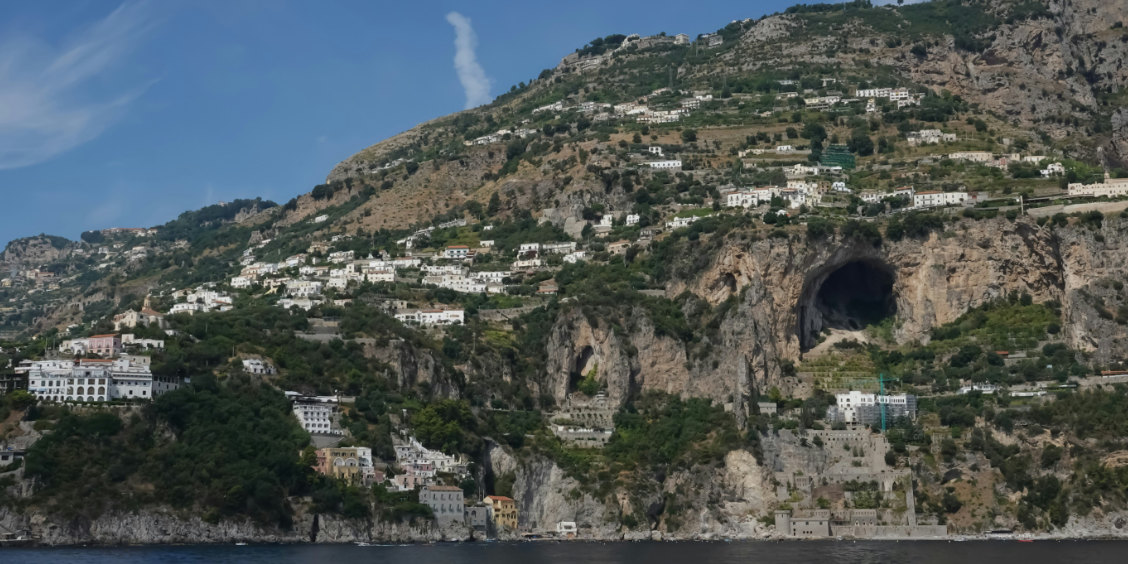
A secluded sanctuary carved into the limestone cliffs, Conca dei Marini represents the quieter side of the Amalfi Coast, offering a stark contrast to the high-traffic hubs of Amalfi and Positano. This vertical village, perched between the deep cobalt sea and the terraced lemon groves, is defined by a slow, ancient rhythm that appeals to those seeking a more contemplative Mediterranean experience. The village often serves as the quintessential embodiment of the hidden Italy narrative, a place where the landscape remains dominated by white-washed houses, centuries-old churches, and the aromatic scent of wild herbs and citrus. Historically, the village was a powerful maritime center, and that heritage is still visible in the sturdy architecture of its coastal towers and the seafaring traditions of the local families who have tended these cliffs for generations.
The geography of the town necessitates a certain level of physical engagement, as the entire community is built on a series of steep gradients. Staying here means navigating a labyrinth of stone staircases and narrow pedestrian paths where traditional life continues regardless of the season. The local hospitality is concentrated into three primary residential tiers: the high-altitude promontory, the communal village center, and the rugged waterfront inlets. Each zone offers a unique perspective on coastal life, requiring distinct logistical considerations for transport and access to local services, making it essential to choose a base that aligns with physical preferences and travel goals.
The Promontory
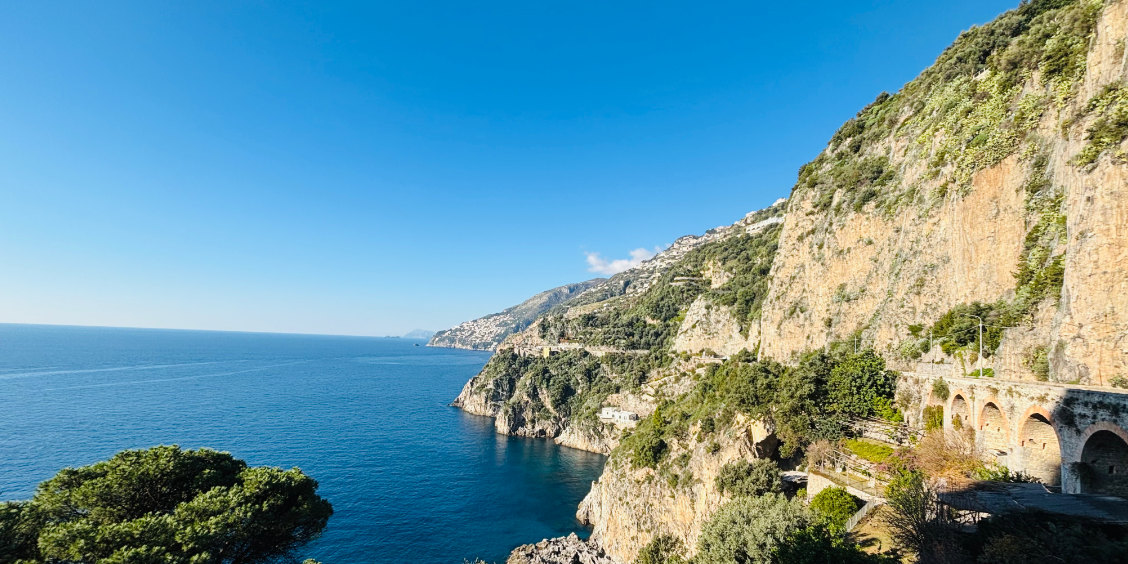
The highest residential tier of Conca dei Marini is a place of absolute silence and dizzying panoramas. Architecture in this area is designed to cling to the sharp edges of the cliffs, offering unobstructed views that stretch across the Gulf of Salerno toward the distant mountains of the Cilento National Park. This elevated position is favored by those who prioritize exclusivity and a sense of detachment from the busy coastal road below. It is a world governed by the movement of the sun and the vastness of the horizon, making it a premier choice for high-end retreats where the scenery is the primary luxury.
Monastero Santa Rosa Hotel & Spa
The Monastero Santa Rosa Hotel & Spa stands as the definitive architectural centerpiece of this elevated district, occupying a meticulously converted 17th-century Dominican convent that retains much of its spiritual and historical gravity. The property is widely regarded as a masterclass in historical preservation, where original vaulted stone ceilings, thick monastic walls, and long, echoing corridors now house one of the most prestigious and exclusive luxury hotels in southern Italy. Every corner of the hotel whispers its past life, offering an environment that has been carefully adapted without losing its sense of sacred stillness. Beyond its world-class infinity pool, which appears to drop off directly into the abyss of the Tyrrhenian Sea, and its four levels of terraced botanical gardens filled with bougainvillea and medicinal herbs, the site holds deep cultural significance as the birthplace of the Sfogliatella Santa Rosa. This iconic local pastry was famously invented by the nuns of the monastery in the 18th century and remains a beloved symbol of the town’s rich gastronomic history, traditionally prepared with a rich filling of semolina, ricotta, and candied fruit.
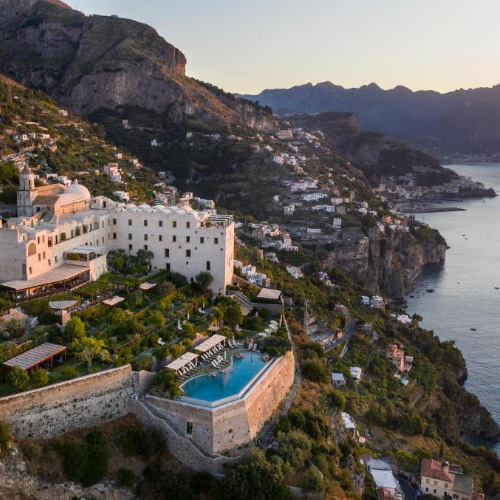
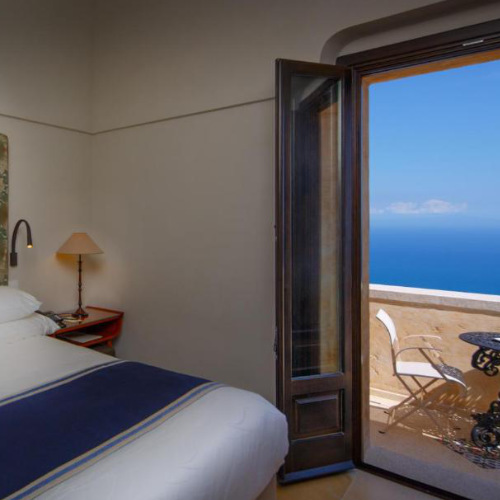
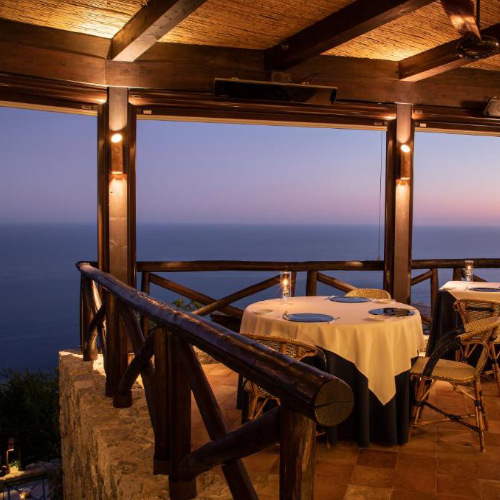
While the location provides an unmatched sense of serenity and state-of-the-art wellness facilities, it is defined by a secluded environment that emphasizes total privacy over urban convenience. Situated high above the coastal traffic, the hotel functions as a self-contained sanctuary that requires the use of private shuttles or dedicated car services for any excursions down to sea level or the neighboring coastal towns. This isolation is a deliberate feature of the stay, ensuring that the peaceful, meditative atmosphere of the former convent remains undisturbed, offering a high-end retreat for those who prioritize silence and panoramic isolation above immediate access to the bustling ports below.
Check AvailabilityThe Center
The mid-level heart of Conca dei Marini is centered around the Church of Santa Rosa and the small businesses that serve the local population. This neighborhood provides a more grounded experience, where the daily interactions of village life are more visible. For the international traveler, this area offers the most practical logistical base, situated within a comfortable distance of the SITA bus stops that link the town to the rest of the peninsula. It is an ideal environment for those who enjoy the ritual of the morning espresso at a local bar or sourcing fresh ingredients from the small salumeriefound tucked into the side streets.
Villa Elena
Within this central hub, Villa Elena offers a boutique hospitality experience that emphasizes warmth and local tradition, serving as an ideal bridge between professional service and genuine Italian domesticity. As a family-managed establishment, it provides a much more personal connection to the region than larger resorts, featuring expansive terraces that overlook the terra-cotta rooftops of the village and the shimmering expanse of the sea beyond. The architectural style reflects the quintessential Mediterranean aesthetic, with hand-painted ceramics and sun-drenched balconies where guests can observe the slow-moving local life. Mornings are often defined by the sound of church bells and the scent of citrus from nearby gardens, while the personalized service often includes curated advice on the best local trattorias or hidden viewpoints that remain off the standard tourist radar.
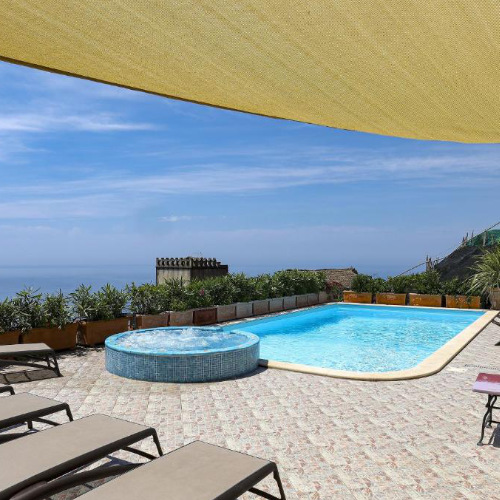
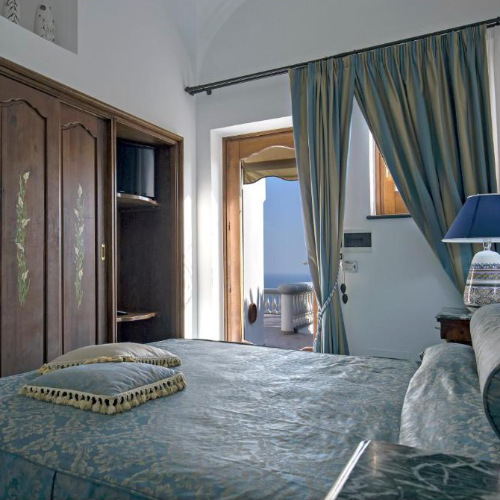
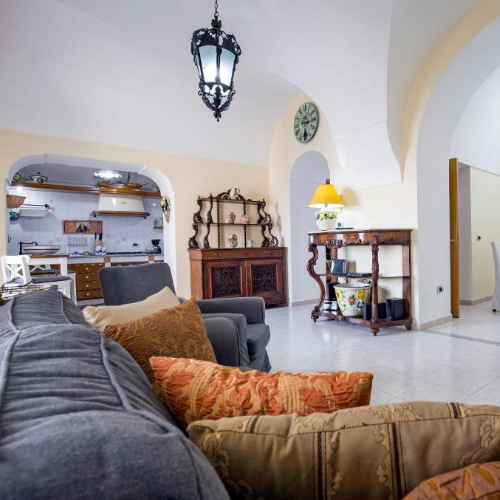
The proximity of the villa to the main transport arteries makes it a strategic choice for guests who plan to utilize the public SITA bus network for day trips to Ravello, Sorrento, or Amalfi without the stress of coastal driving. While the amenities are designed with a focus on comfortable simplicity rather than the high-end luxury of the promontory’s grand hotels, the authentic atmosphere and the ease of access to local dining options make it a high-value choice. It is a particularly effective base for "slow travel" advocates who prioritize cultural immersion and logistical ease in a location that feels like a true residential sanctuary.
Check AvailabilityCoastal Inlets
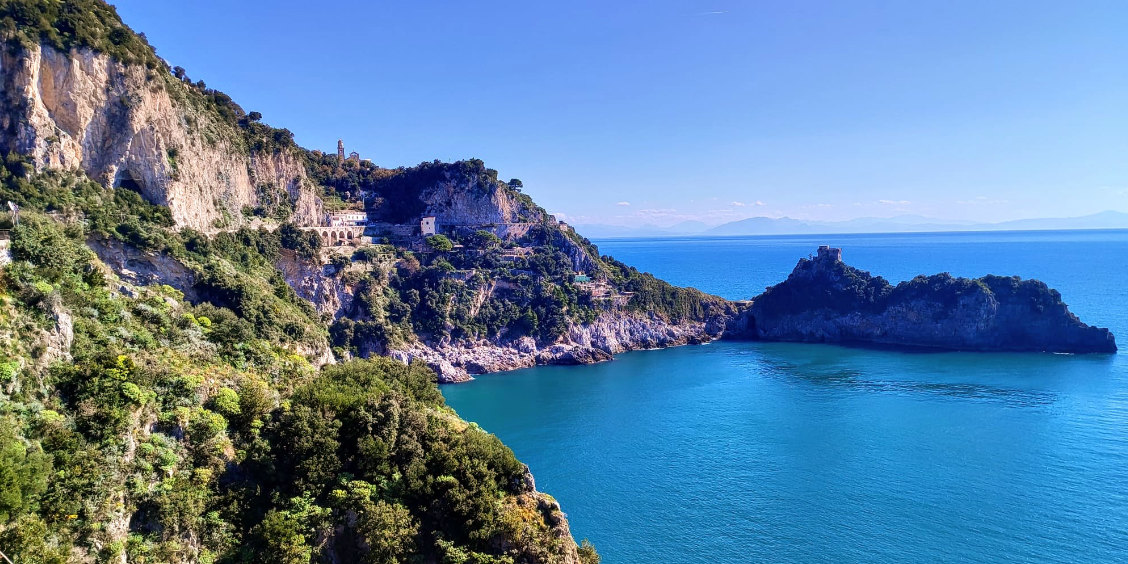
The lowest part of Conca dei Marini is defined by a series of dramatic limestone coves where the village meets the Tyrrhenian Sea. These rocky inlets are characterized by crystalline waters and a rugged, natural beauty that has been protected by the town's vertical topography. Accessing these waterfront areas requires a commitment to the "thousand steps" that drop down from the upper roads, a journey that has helped preserve the quiet charm of the shoreline. Nearby, the famous Emerald Grotto (Grotta dello Smeraldo) serves as a major draw, accessible via boat or a dedicated elevator from the main coastal road, showcasing a subterranean world of unique green light and mineral formations.
Hotel Belvedere
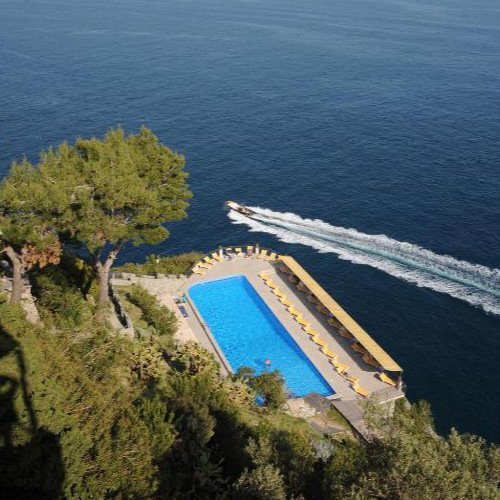
The Hotel Belvedere stands as an emblematic Mediterranean retreat, perched precariously on a rocky ledge that offers a vertical perspective of the shimmering Gulf below. This historic property is celebrated for its ability to provide guests with an immediate and tactile connection to the sea, featuring a signature seawater swimming pool that seems to float between the cliffs and the horizon. The architectural character is one of understated coastal elegance, where every balcony serves as a private theater for watching the local fishing boats navigate the clear waters of the Marina di Conca. A dedicated stone path leads guests down to a private rocky platform at the water's edge, allowing for an effortless transition from the comfort of the hotel to the invigorating embrace of the Tyrrhenian Sea.
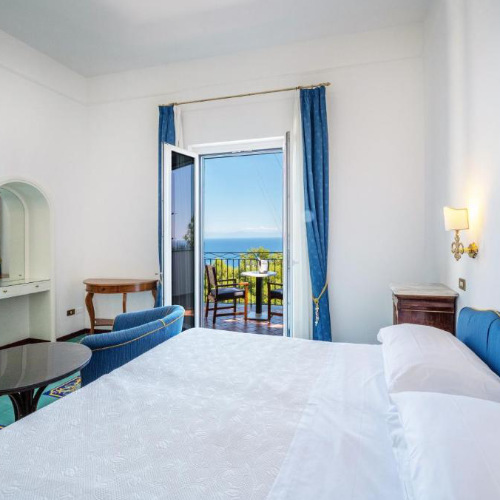
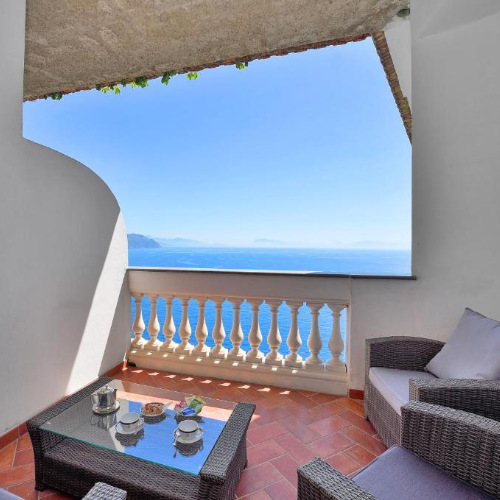
This establishment is particularly well-suited for romantic couples or solo travelers who prioritize a tranquil, nature-focused environment over urban proximity. While the hotel offers an attentive and discreet level of service, its specific cliffside location means it is somewhat detached from the main village shops and restaurants, requiring a certain degree of independence or the use of vehicles for evening excursions. It serves as a perfect oasis for those seeking a peaceful, meditative holiday where the constant rhythm of the Mediterranean waves provides the primary soundtrack to their stay.
Check AvailabilityCasa della Marina
Casa della Marina represents an exceptional opportunity to experience the Amalfi Coast from its most intimate perspective, living literally at the water's edge. This private accommodation is uniquely integrated into the giant limestone boulders of the bay, where the rhythm of life is dictated entirely by the tides and the movement of the sea. Such a position is an extreme rarity in a region where most homes are perched hundreds of feet above sea level, making it one of the most sought-after experiences for those seeking a profound connection with the Mediterranean. Waking up to the sound of waves lapping against the stone and the sight of the sun rising directly from the liquid horizon provides a level of immersion that is impossible to replicate in more conventional town-center hotels. The interior spaces often reflect this maritime bond, offering a sanctuary where the boundary between the natural world and the living area feels almost non-existent, framed by the raw textures of the coastal rock.
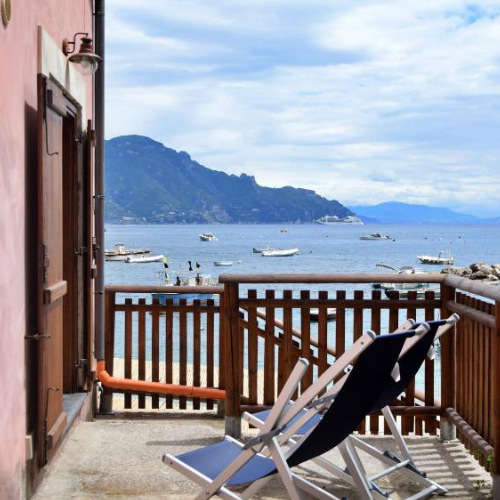
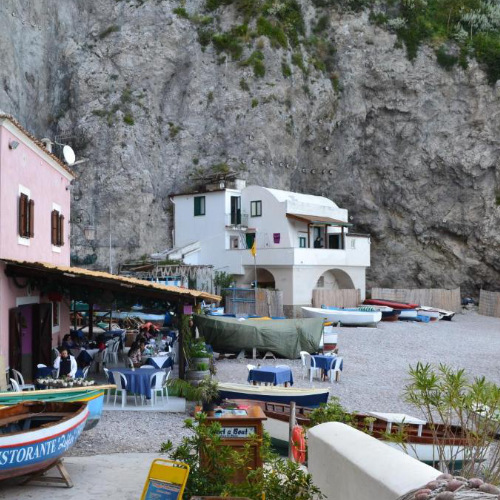
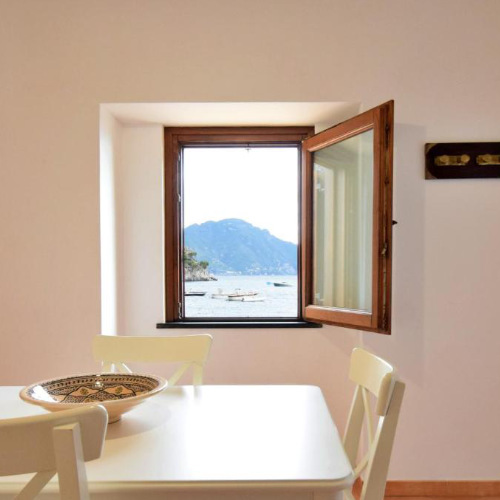
Reaching this secluded dwelling involves a degree of physical effort that appeals to the more intrepid or romantic traveler, as access is primarily granted via a steep, winding pedestrian path or a private boat arrival from the pier. While the lack of immediate urban services or nearby shops requires careful planning for dining and provisions, this absence is a necessary trade-off for the absolute maritime tranquility and complete lack of urban noise. It is a destination suited perfectly for those who prioritize a raw, unscripted experience of the coast, valuing the privilege of total isolation and an unmediated relationship with the natural essence of the sea.
Check Availability